
Menu
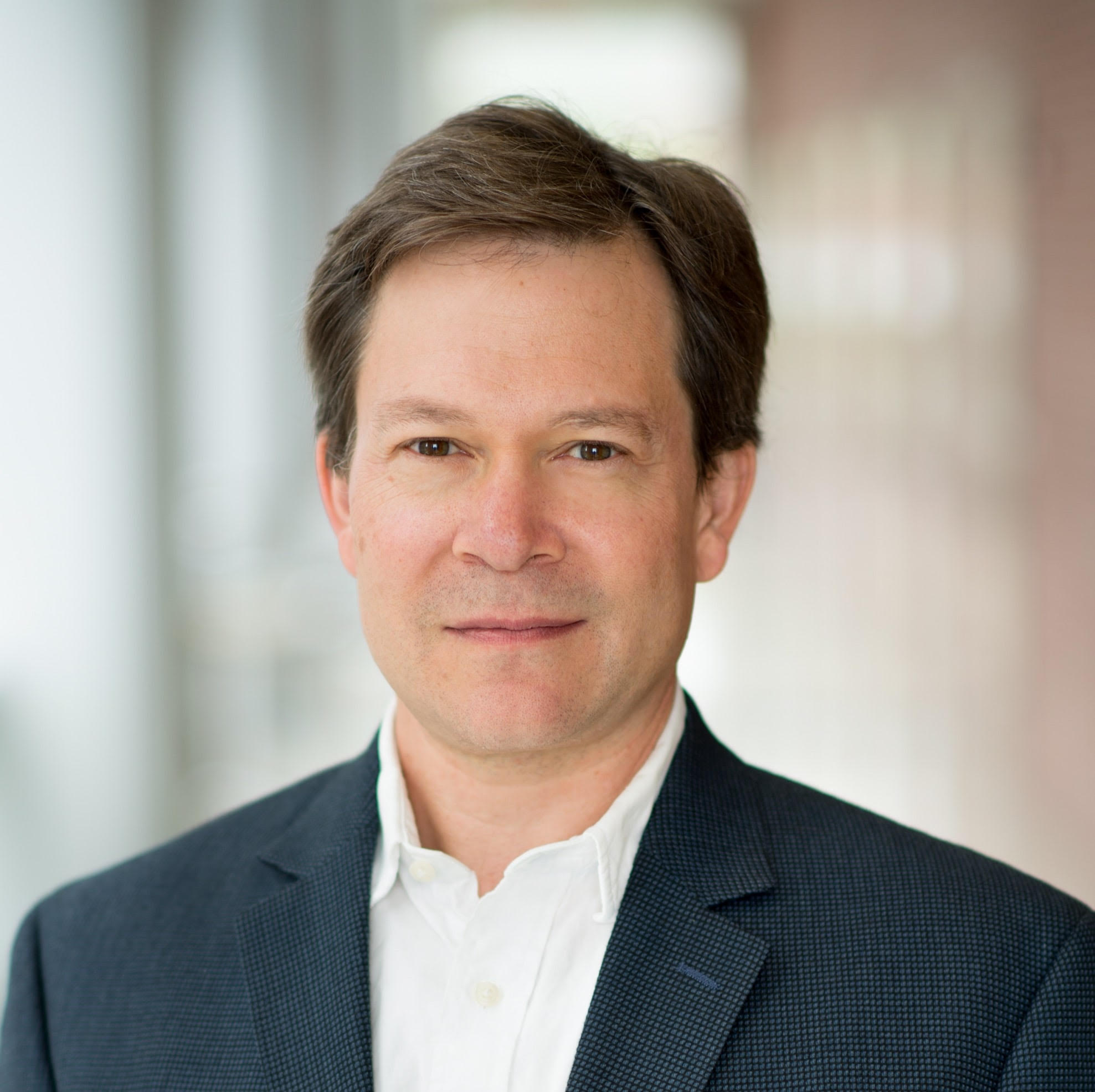
Christopher Moore
ORCID 0000-0003-4534-1602
POSITIONS HELD
Founding Board Member
Open-Ephys, A Not-for-Profit Corporation
Associate Director
Robert J. and Nancy D. Carney Institute for Brain Science
Professor
Brown University Department of Neuroscience
Co-Founder
DiscoveryEngine, a Not-for-Profit Corporation
Professor
Brown University
AWARDS
2005
School of Science Prize for Excellence in Undergraduate Teaching, MIT
1995
Angus N. MacDonald Excellence in Teaching Award, MIT
EDUCATION
1/1/2002
Visiting Scientist
University of California San Francisco Keck Center
1/1/2002
Postdoctoral Fellow
Martinos Center/Harvard Medical School
5/31/1998
Massachusetts Institute of Technology
1/1/1998
Ph. D
Massachusetts Institute of Technology (MIT)
5/31/1990
BA with Honors
Oberlin College
1/1/1990
B. A.
Oberlin College
Publications
William E. Medendorp, Andreas Bjorefeldt, Emmanuel L. Crespo, Mansi Prakash, Akash Pal, Madison L. Waddell, Christopher I. Moore, Ute Hochgeschwender
Selective postnatal excitation of neocortical pyramidal neurons results in distinctive behavioral and circuit deficits in adulthood
iScience 24
(2021)
Dmitrijs Celinskis, Nina Friedman, Mikhail Koksharov, Jeremy Murphy, Manuel Gomez-Ramirez, David Borton, Nathan Shaner, Ute Hochgeschwender, Diane Lipscombe, Christopher Moore
Miniaturized Devices for Bioluminescence Imaging in Freely Behaving Animals
(2020)
Manuel Gomez‐Ramirez, Alexander I. More, Nina G. Friedman, Ute Hochgeschwender, Christopher I. Moore
The BioLuminescent‐OptoGenetic in vivo response to coelenterazine is proportional, sensitive, and specific in neocortex
Journal of Neuroscience Research 98
(2019)
My laboratory studies neocortical dynamics, changes in activity that occur on millisecond to second time scales. We seek to understand the meaning of these dynamics for perception, and the mechanisms that generate them. We are currently testing hypotheses as to the computational value and origins of neocortical oscillations, and the role that non-neuronal systems (e.g., the vasculature) may play in information processing. To address these questions, we integrate behavior, optogenetics, electrophysiology and imaging.